UX audit & design debt
BigCommerce had never conducted a comprehensive design audit since 2009. Fifteen years of copy inconsistency, broken patterns, and accumulated design debt, and I helped build the process to tackle it systematically.
The problem
BigCommerce had accumulated "outdated, broken, wrong or just plain bad copy and design" across the platform since its founding. Copy inconsistency was especially pervasive, without content guidelines, each designer had developed their own standards across different product domains. Nobody owned the problem. Nobody had a process to fix it.
The goals
- Complete a full end-to-end design audit of the BigCommerce platform
- Develop and lead a design debt strategy for the product design team
- Optimize workflows between design and product management
- Improve overall product quality
What I did
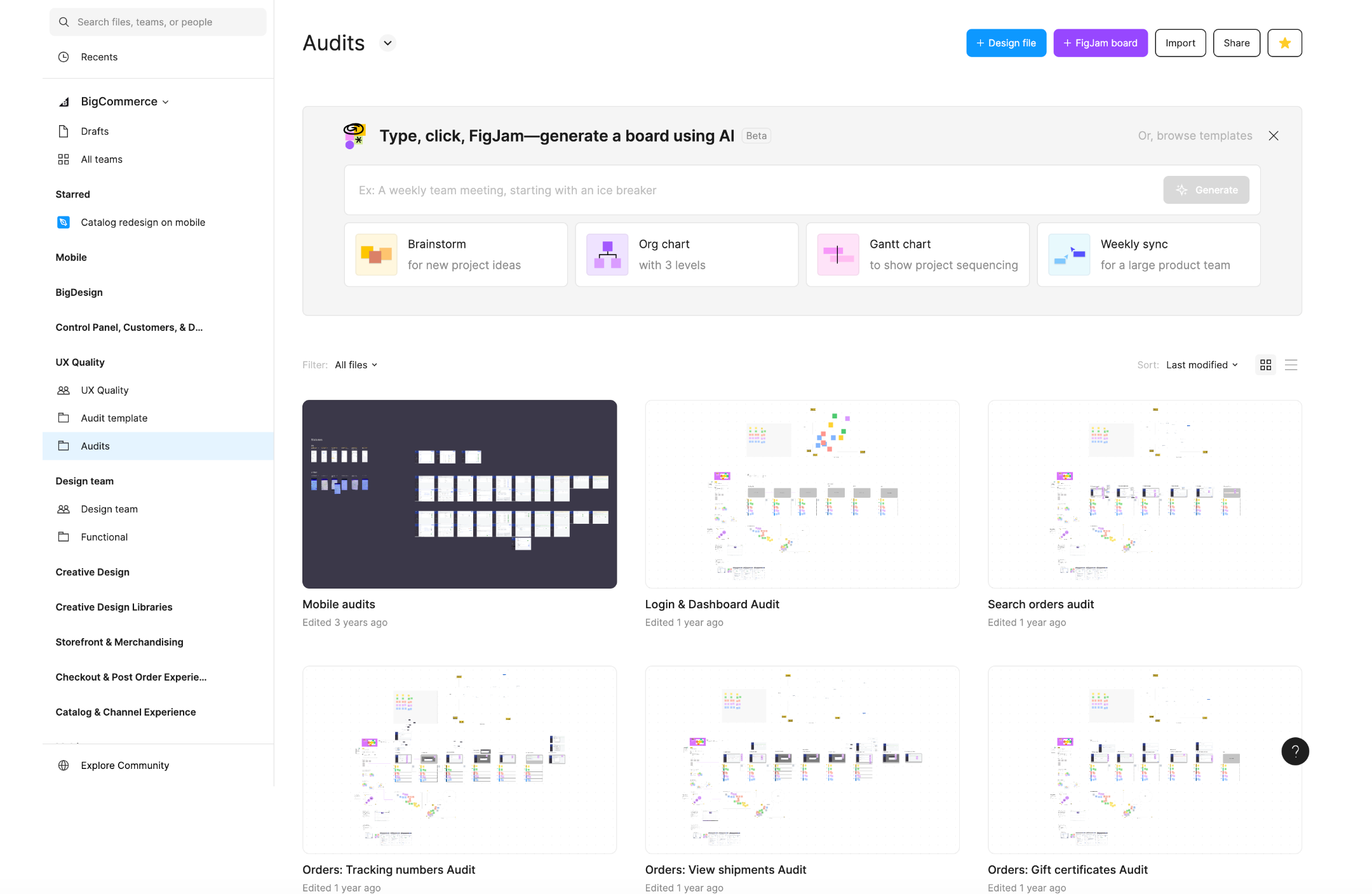
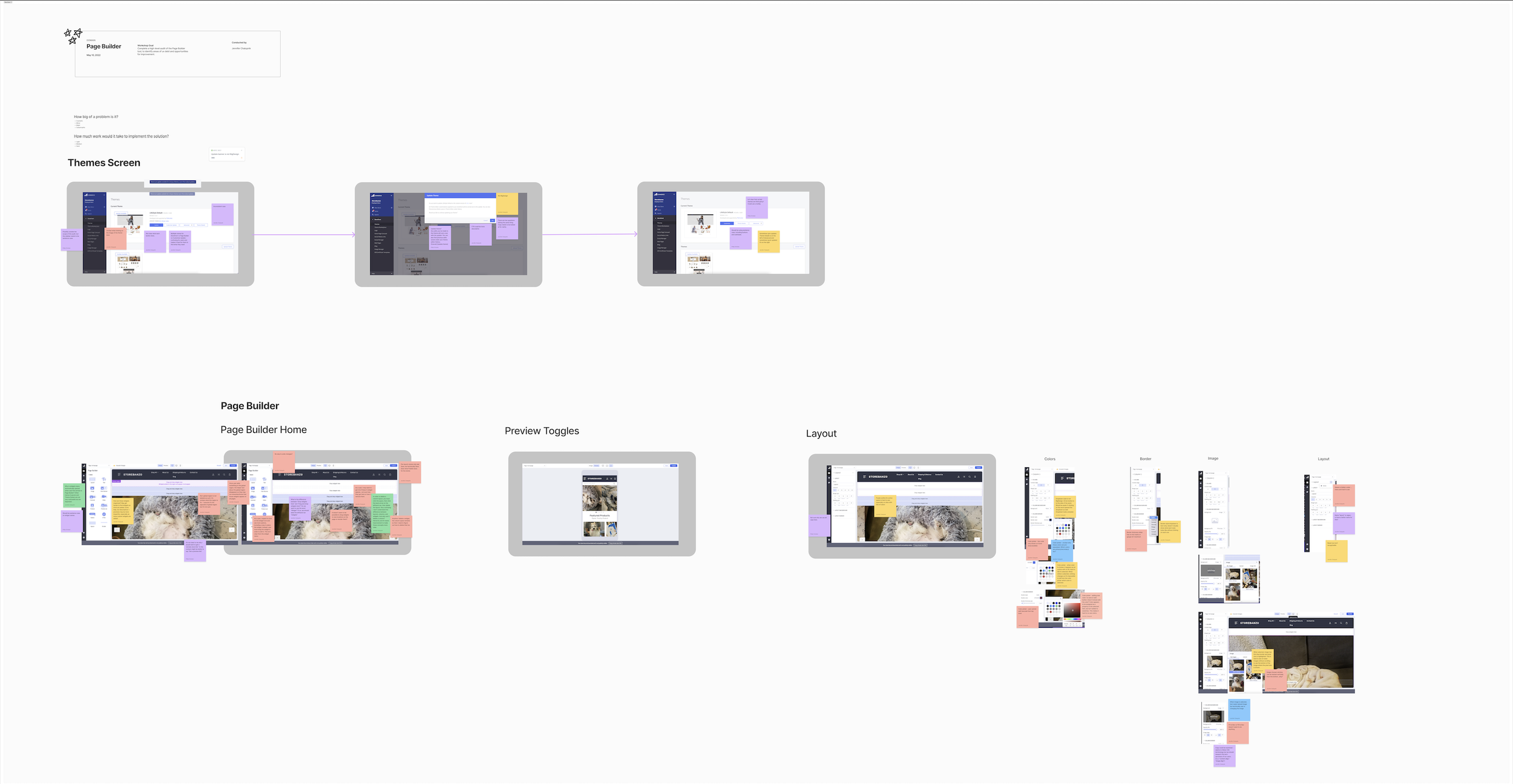
I led weekly audit sessions with product designers, product managers, UX researchers, and the design team. Using a FigJam template, the team tagged screenshots of the live product with four color-coded debt categories:
- Copy, non-compliant content, typos, grammatical errors
- Navigation, broken elements, missing affordances, inadequate signifiers
- Interaction, confusing, unexpected, or difficult user experiences
- Styling, visual guideline violations
Every identified issue was tagged, documented, and eventually converted into a Jira ticket.
The challenges
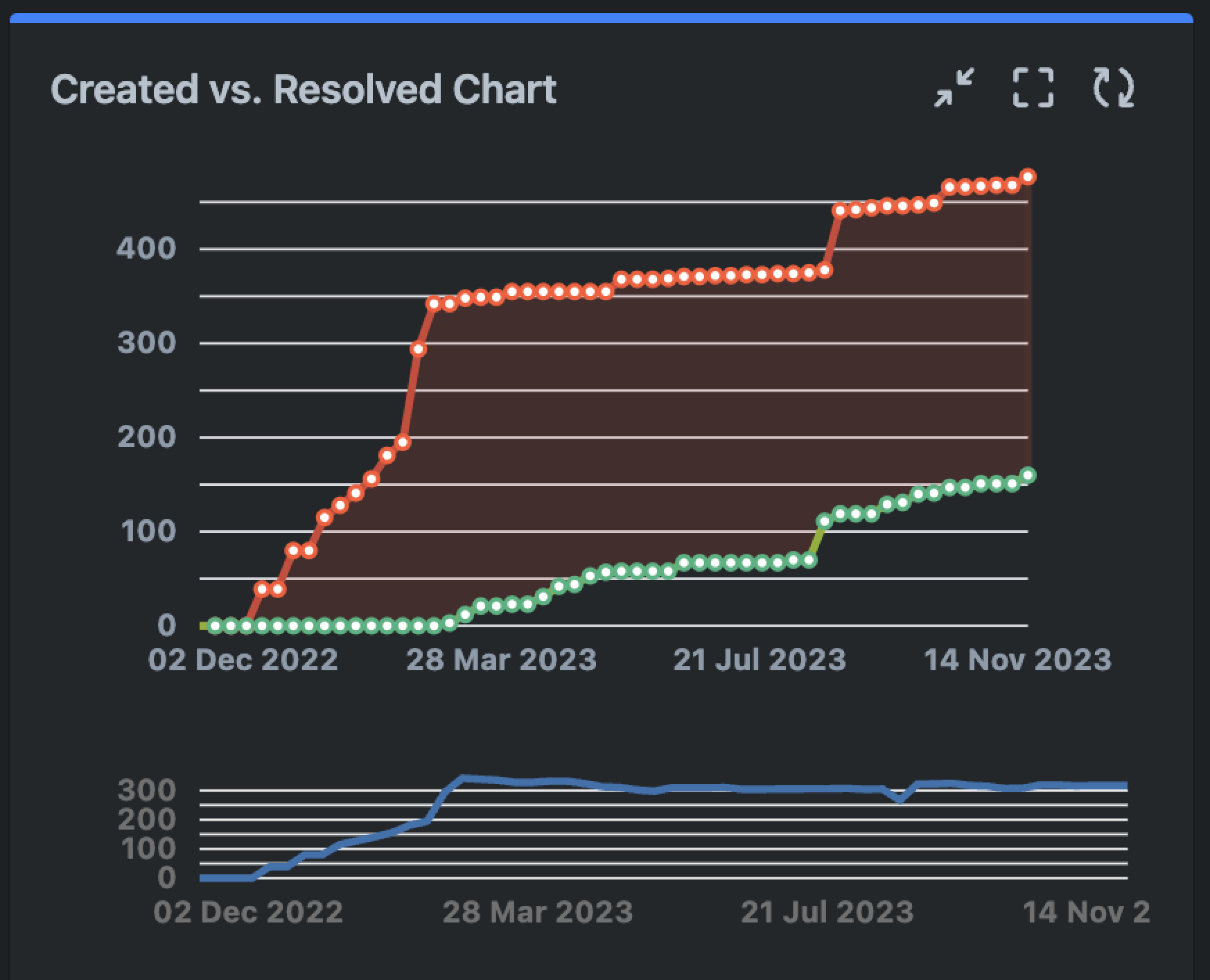
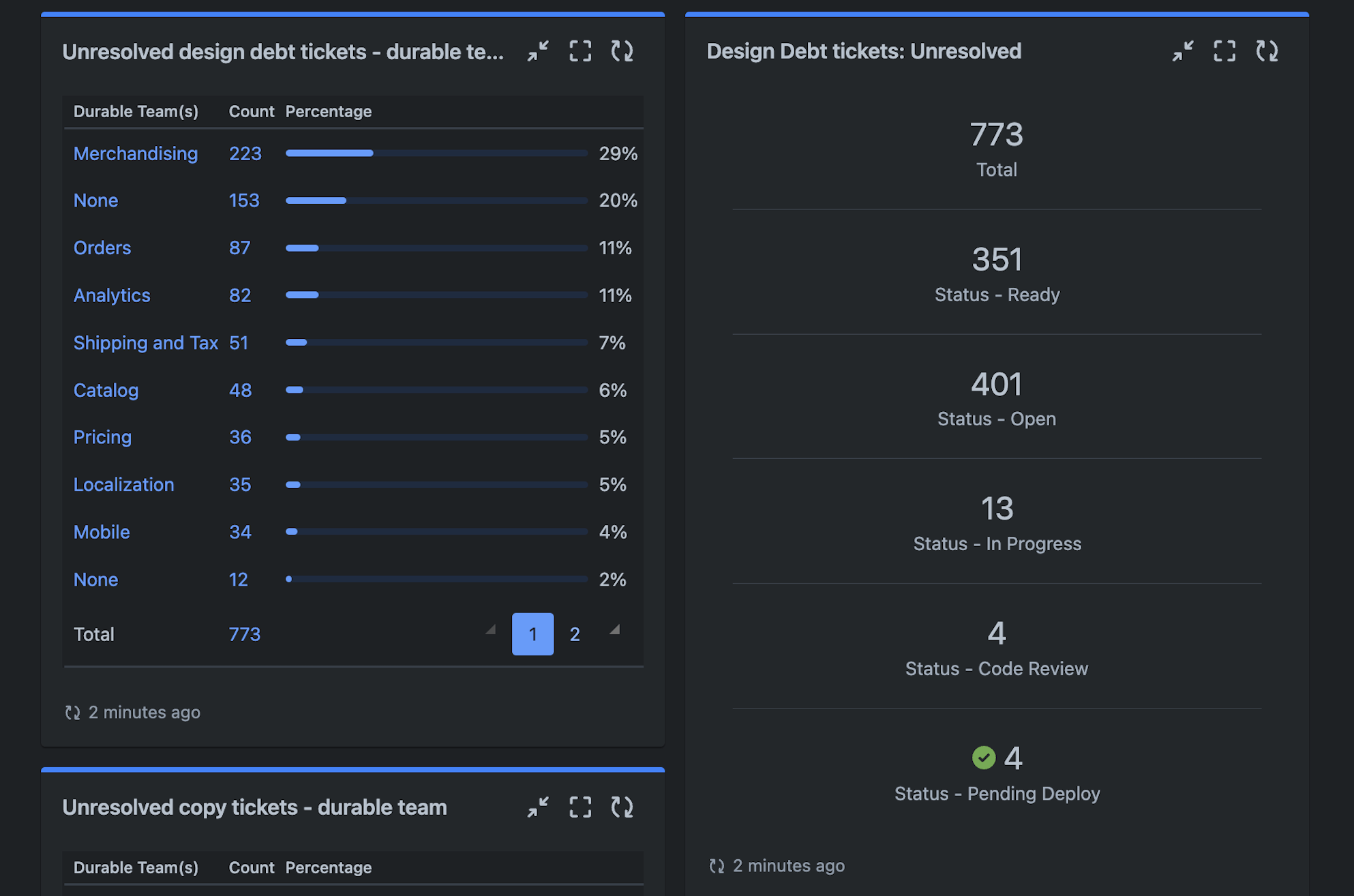
The audit generated over 800 Jira tickets. The primary challenge was getting product managers to prioritize fixing the debt over shipping new features.
Painting the Golden Gate Bridge: By the time you get from one end to the other, the side you started on needs to be painted again. Design maintenance is continuous. The metaphor reframed the work from "a project to finish" to "a practice to sustain."
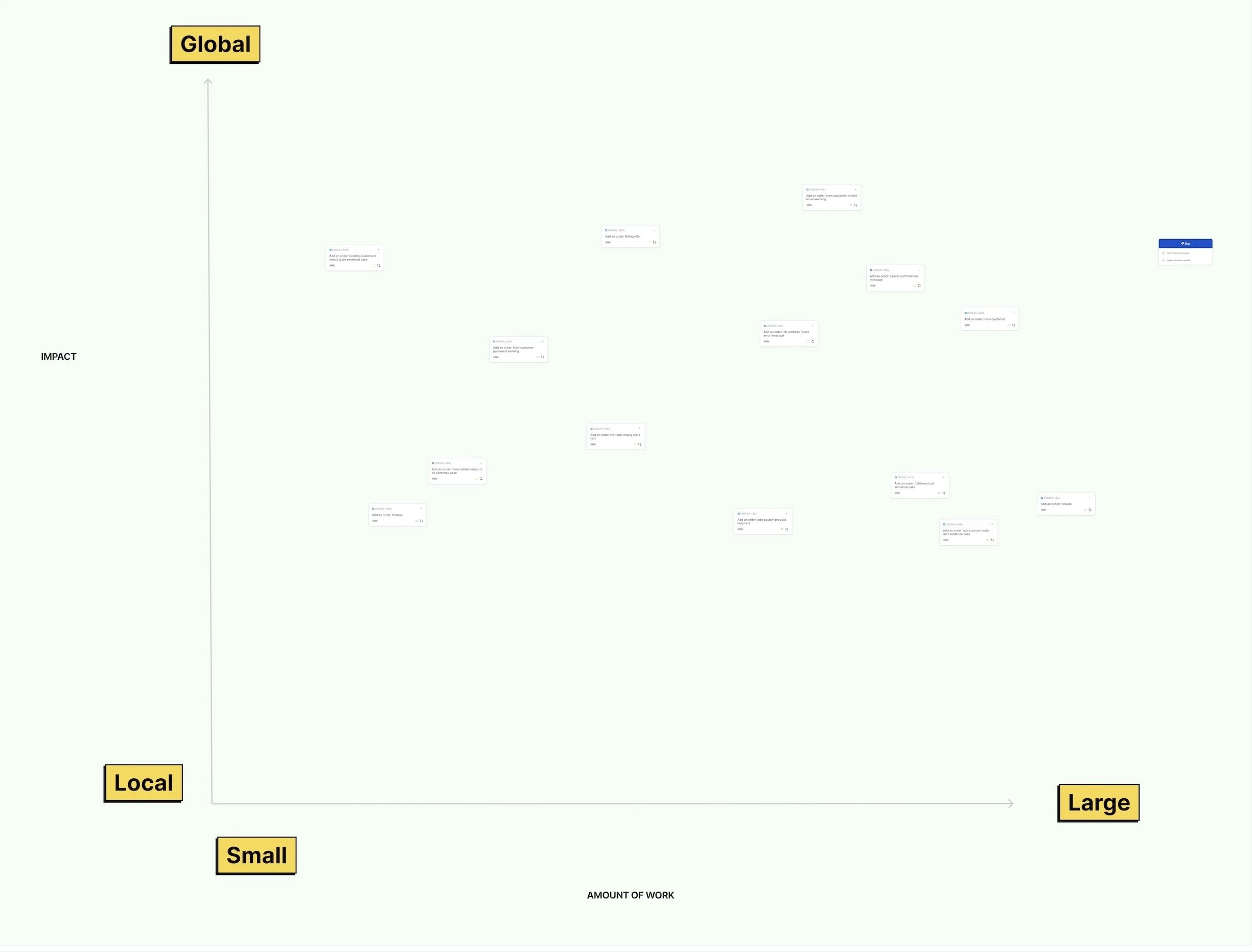
To make the work tractable, we used an impact-effort matrix to prioritize quick wins and high-impact improvements. The team allocated consistent sprint capacity to design debt, treating it like infrastructure maintenance. Items that didn't make the cut were classified as bugs or business-as-usual tasks, keeping the backlog from becoming a dumping ground.
Results
The seven-month audit established sustainable processes that outlasted the initial push. BigCommerce now resolves 50–100 design debt tickets per quarter through regular audit meetings, maintaining quality standards across releases and keeping a decade's worth of debt from piling up again.